Looking for a city where everyday life feels easy to enjoy? In Plymouth, parks, trails, and neighborhood streets all play a big role in how the community functions. If you are thinking about moving here, or simply want a clearer sense of what daily living looks like, this guide will walk you through Plymouth’s public spaces, trail connections, and neighborhood feel. Let’s dive in.
How Plymouth balances downtown and neighborhood life
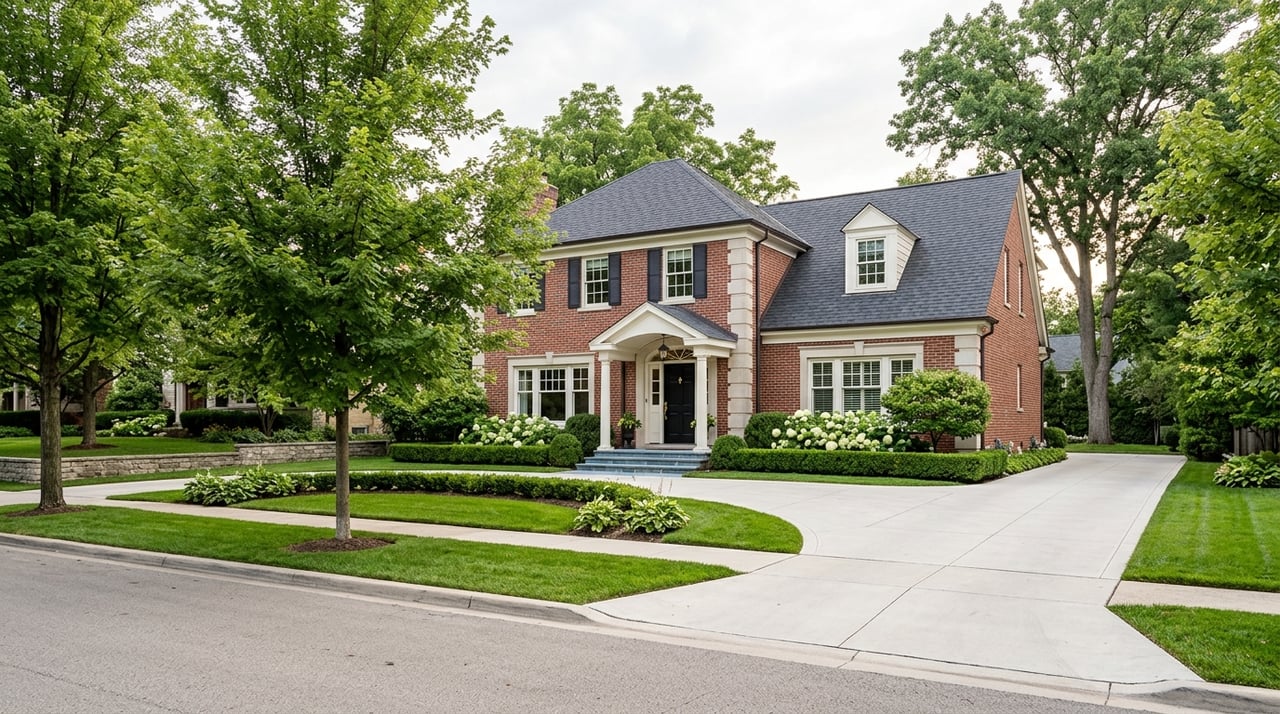
Plymouth stands out for the way its downtown and residential areas work together. The city describes downtown as centered on Kellogg Park, while the surrounding blocks transition into traditional neighborhood streets with sidewalks, mature trees, and well-kept homes.
That setup matters when you are choosing where to live. Instead of feeling separated from daily conveniences, many residential areas connect naturally to parks, walking routes, and the downtown core. It creates a lifestyle that can feel both active and comfortable.
The city is home to 16 parks, and a portion of Hines Park also falls within city limits. Plymouth’s current 2024 to 2028 Recreation Master Plan reflects an ongoing focus on public spaces and recreation.
Kellogg Park anchors daily life
Kellogg Park is Plymouth’s most visible civic gathering space. It includes a water feature, benches, and brick walkways, making it more than just a pass-through spot in downtown.
For many people, this park helps define what Plymouth feels like. It is a place where you can sit for a while, meet up with friends, or take in the activity of downtown without needing a big outing plan.
Events keep downtown social
Kellogg Park also serves as a year-round event hub. The city lists recurring events such as Art in the Park, the Fall Festival, the Plymouth Ice Festival, Music in the Park, and Music in the Air concerts.
That event calendar adds an important layer to neighborhood living. It means public space in Plymouth is not just scenic, it is also social. The farmers market at the Plymouth Gathering, held from May through October, adds another recurring destination for residents.
Nearby blocks feel connected
The Kellogg Park Historic District surrounds and includes properties near the park. That helps reinforce the connection between downtown activity and nearby residential streets.
If you want a location where you can enjoy public space without driving across town, this part of Plymouth may especially stand out. The downtown area is closely tied to the surrounding neighborhood fabric.
Neighborhood parks support everyday routines
One of Plymouth’s strengths is that its outdoor network is not limited to downtown. The city’s park system is spread across the community, with pocket parks and neighborhood parks that fit into daily life.
City-listed parks include Caster, Fairground, Hough, Kiwanis, Lions Club, Rotary Club, Smith, Starkweather, Tonquish Creek Nature Walk, Veterans Memorial Park, and Jack Wilcox. These spaces add variety, whether you want a quick walk, a playground stop, or a shaded place to sit.
Parks for low-key walks and dog walking
If your ideal routine includes quieter outdoor time, two places stand out. The city’s park plan describes Hough Park as undeveloped open space used mainly for dog walking, while Tonquish Creek Nature Walk is described as a wooded neighborhood trail used mainly for nature walks.
Those details are helpful because they give you a more realistic picture of how residents use the parks. Not every outdoor space is built around events or sports. Some are better suited to simple, everyday moments.
Parks with practical amenities
Other neighborhood parks include features like playgrounds, shelters, picnic tables, dog waste stations, and small sports facilities. That mix makes them useful for routines close to home, not just occasional weekend visits.
When you are comparing neighborhoods, these smaller amenities can have a real impact. A nearby park with practical features can make it easier to spend time outside without planning a full trip.
Trails expand Plymouth beyond city blocks
Plymouth’s outdoor appeal also comes from its regional trail access. The city says Plymouth connects to the I-275 Metro Trail through the Hines Park Pathway system.
That means local walking and biking options extend beyond individual neighborhood parks. If you enjoy longer routes, Plymouth offers access to a broader network rather than only short in-town paths.
Hines Park adds regional recreation
Wayne County describes Hines Park as a parkway with bicycle paths, paved and unpaved walking trails, fishing, sledding, playgrounds, picnic tables, and other outdoor amenities. A portion of this park system lies within Plymouth city limits.
This is a meaningful advantage for buyers who value outdoor access. You can enjoy neighborhood-scale parks for daily use while still having a connection to a larger regional recreation corridor.
Access points and future connections
In the city’s transportation discussion, current Hines Park access points are listed at Wilcox Road, Park, and Riverside Drive. The city also describes a Plymouth Road connection as a future priority.
Plymouth’s strategic plan further emphasizes stronger links between Hines Park, Old Village, Downtown Plymouth, Plymouth Township, and other regional destinations. Pedestrian and biker safety are part of that conversation, which matters if you are evaluating how easy it is to move through the area without relying entirely on a car.
Old Village adds another layer
If you want a named area beyond downtown, Old Village is worth noting. The Old Village Corridor Improvement Authority describes the area as both commercially and residentially focused.
That combination gives Plymouth another dimension beyond its central downtown core. For some buyers, this kind of mixed setting can feel appealing because it blends local business activity with nearby residential living.
Park locations help shape neighborhood feel
Park placement across Plymouth helps show how recreation is woven into different parts of the city. Kiwanis Park is in the northwest corner, Smith Park sits on the western edge, Point Park is near Wilcox Lake in the north, and Jack Wilcox Park is in the south.
This spread matters because it shows the outdoor network is distributed across Plymouth. You are not looking at a city where all activity is concentrated in one central space. Different sections of town have their own nearby park access and character.
Recreation continues year-round
Parks are only part of Plymouth’s recreation picture. The Recreation Office is located in the Plymouth Cultural Center at 525 Farmer, and the city offers open skate and freestyle skating there.
The Cultural Center is also used for meetings, civic clubs, wedding receptions, showers, and other special events. That gives residents another community asset that stays relevant beyond the warmer months.
For buyers thinking about lifestyle, this is a useful reminder. In Plymouth, recreation and gathering spaces are not only seasonal features.
What this means for homebuyers
If you are searching for a home in Plymouth, the parks and trail system can help you narrow your priorities. Some buyers want to be near Kellogg Park for downtown energy and recurring events. Others may prefer being closer to quieter green spaces like Hough Park or Tonquish Creek Nature Walk.
You may also care about regional access. If longer bike rides, walking routes, or easy connections to Hines Park matter to you, that can shape which areas feel like the best fit.
The key is to think beyond square footage alone. In Plymouth, lifestyle often comes down to how you want to use public space on an ordinary day.
Why neighborhood guidance matters
Two homes can offer very different living experiences depending on their location within Plymouth. One may place you near downtown gatherings and brick walkways, while another may put you closer to wooded trails or a neighborhood playground.
That is why local guidance matters when you are evaluating a move. A strong home search is not just about finding a property that looks good online. It is about matching your daily routine to the part of Plymouth that supports it best.
If you are exploring Plymouth and want a clear, strategic view of which neighborhoods align with your lifestyle, kamran Boushehri can help you evaluate your options with local insight and a consultative approach.
FAQs
What makes Plymouth, Michigan feel walkable for daily living?
- Plymouth combines a compact downtown centered on Kellogg Park with neighborhood streets that the city describes as having sidewalks, mature trees, and nearby parks.
What parks in Plymouth, Michigan are good for quiet walks?
- Hough Park is described by the city as undeveloped open space used mainly for dog walking, and Tonquish Creek Nature Walk is described as a wooded neighborhood trail used mainly for nature walks.
What is Kellogg Park in Plymouth, Michigan known for?
- Kellogg Park is known as Plymouth’s central civic space, with benches, brick walkways, a water feature, and recurring events such as Art in the Park, the Fall Festival, the Plymouth Ice Festival, and concert series.
Does Plymouth, Michigan have trail access beyond local parks?
- Yes. The city says Plymouth connects to the I-275 Metro Trail through the Hines Park Pathway system, which expands access for walking and biking.
What is Hines Park access like from Plymouth, Michigan?
- The city lists current Hines Park access points at Wilcox Road, Park, and Riverside Drive, and identifies a future Plymouth Road connection as a priority.
Is outdoor recreation in Plymouth, Michigan only focused on downtown?
- No. Plymouth’s park system is spread throughout the city, and park locations across the north, south, west, and northwest sections show that recreation is distributed across multiple neighborhoods.
Does Plymouth, Michigan offer recreation in colder months?
- Yes. The Plymouth Cultural Center houses the Recreation Office and offers open skate and freestyle skating, adding year-round recreation beyond park season.