Thinking about moving up in Northville without leaving the community you already know? That goal is more realistic here than in many metro Detroit markets, but it still takes careful planning. If you want more space, a different setting, or a home that better fits your next chapter, this guide will help you think through timing, equity, costs, and the Northville-specific choices that matter most. Let’s dive in.
Why Northville works for move-up buyers
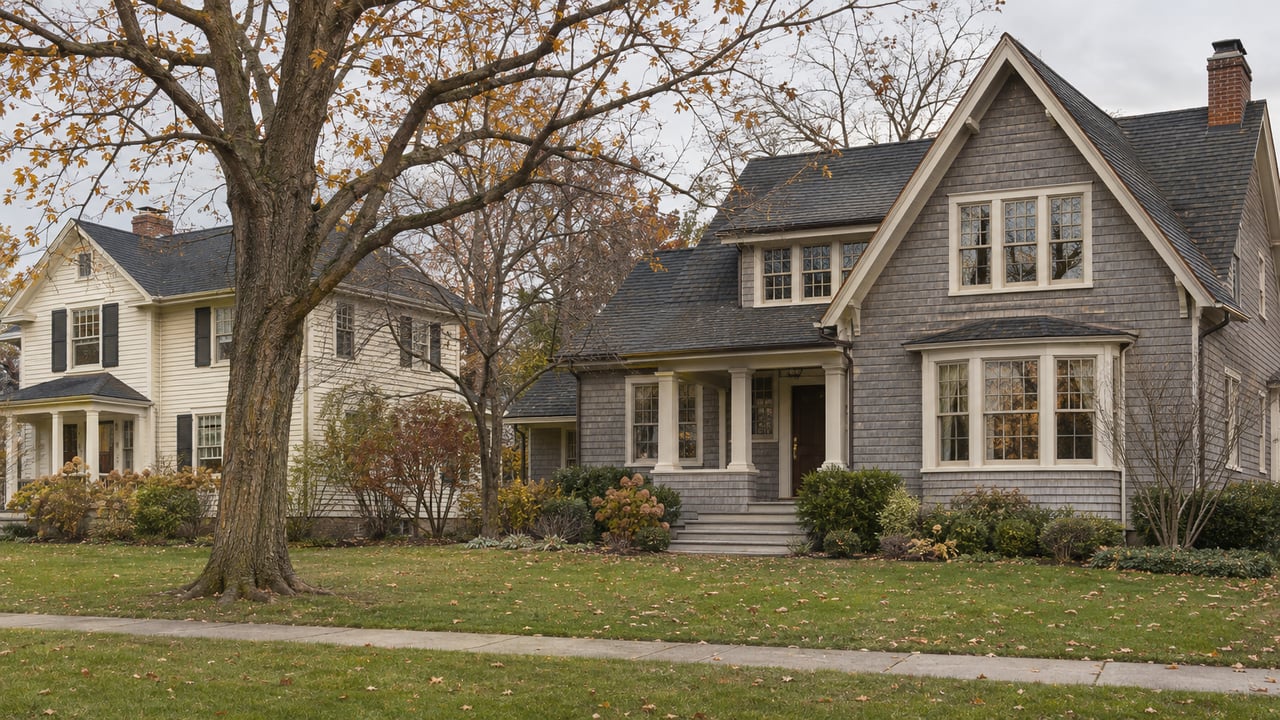
Northville offers something many established communities do not: real variety within the same broader market. The City of Northville includes historic homes, subdivisions, condominiums, apartments, and more spacious country-style settings, while Northville Township emphasizes green space, trails, parks, golf, and freeway access. That mix gives you room to upgrade your home while staying connected to the Northville lifestyle.
For many homeowners, that flexibility is the biggest advantage. You may be able to move from a smaller home to a larger one, from a condo to a single-family property, or from a tighter lot to a more space-oriented setting without starting over in a completely different area. If staying near familiar amenities, daily routines, or Northville Public Schools matters to you, that can make a move-up plan especially appealing.
What the current Northville market means
Recent resale data points to a competitive environment. Over the three months ending April 2026, Northville homes sold in a median of 16 days, received 7 offers on average, and had a median sale price of $518,482. For you, that means both sides of the move matter: how quickly your current home can sell, and how prepared you are when the right next home appears.
In a market like this, hesitation can get expensive. If you list too late, you may miss the home you want. If you buy before you understand your true sale proceeds and carrying costs, you may stretch your budget more than intended.
Start with your real equity number
Many move-up plans begin with one question: how much money will you actually have to put into the next home? That answer is usually lower than homeowners first expect. Your equity is the value of your home above what you still owe, but your usable amount is really your projected net proceeds after payoff and transaction costs.
That is why it helps to think in terms of net proceeds, not just estimated value. Before you commit to a purchase range, account for your remaining mortgage balance, likely closing costs, and any selling expenses. If your property is in Wayne County, transfer taxes and recording-related items may also affect the final numbers at closing.
CFPB guidance is also useful here: equity should not be treated as spendable cash until your sale actually closes and the mortgage payoff is known. That mindset helps you avoid building a move-up plan around money that may not be available in the amount you expect.
Budget beyond the down payment
Your next-home budget should include more than the purchase price. CFPB notes that closing costs typically run about 2% to 5% of the purchase price, and you also need room for moving expenses, repairs, taxes, insurance, and any furniture or improvement costs after closing. Those extras can add up quickly in a move-up purchase.
Northville also has some city-versus-township cost context worth noting. Census data shows median owner-occupied home value at $465,400 in Northville city and $551,800 in Northville Township. Median monthly owner costs with a mortgage were $2,284 in the city and $2,997 in the township, which gives you a useful frame when comparing a city property with a potentially larger township home.
Those figures are not current market prices, but they can help you sense the likely carrying-cost difference between settings. If your goal is more square footage, a larger lot, or a different home style, be sure the monthly payment still fits comfortably with your broader financial picture.
Sell first, buy first, or overlap?
For most move-up buyers, selling first is the safer default. CFPB says that if you want to move, you normally try to sell your home before buying another one. In Northville, where resale activity can move quickly, selling first can give you a clearer budget and reduce the risk of carrying two homes at once.
That said, every household has different constraints. If your current home is likely to attract strong interest and sell quickly, you may be in a better position to time the transition carefully. The key is to build your plan around realistic timing, not best-case timing.
A practical way to think about your options is:
- Sell first if you want budget clarity and less financial risk.
- Buy first only if you have the financial flexibility to handle overlap and uncertainty.
- Try to overlap carefully if your sale and purchase timelines can be coordinated with a clear strategy.
In this market, preparation matters as much as timing. A move-up buyer who knows their numbers, understands the sale process, and is ready to act often has more flexibility than a buyer who starts home shopping first.
Get preapproved before you shop
Preapproval is one of the most important early steps in a move-up purchase. CFPB notes that lenders review income, assets, employment status, savings, debt payments, and credit history, and sellers often require a preapproval letter before accepting an offer. In a competitive Northville market, that letter can help show that you are ready to move.
Preapproval also gives you a reality check. It tells you what a lender may support, but just as importantly, it helps you compare that number with what you actually want to spend each month. For move-up buyers, that difference matters because the next home often brings not just a larger mortgage, but also higher taxes, insurance, maintenance, and utility costs.
Comparing Northville move-up options
A move-up purchase in Northville is rarely just about square footage. It is often about choosing the kind of daily lifestyle you want next. The main tradeoff is usually character and walkability versus space and flexibility.
City homes and downtown access
If you want to stay close to Downtown Northville, walkability may be a major priority. City planning feedback highlighted strong interest in connections to Downtown, the Historic District, 7 Mile, and Hines Park, and pedestrian safety and walkability were widely valued. For homeowners who love the original Northville feel, a downtown-adjacent move-up home can offer an upgrade without giving up that rhythm.
The city also includes a broad range of property types and neighborhood styles. Depending on your goals, your next step might be a larger in-town home, a different subdivision, or a condo that offers a simpler ownership model with a more central location.
Historic District tradeoffs
The Historic District can be especially appealing if you value architecture, charm, and a classic Northville address. At the same time, buyers should know that the Historic District Commission reviews construction, alteration, moving, exterior changes, exterior paint colors, and demolition. If your move-up plan includes a major exterior renovation, that review process should be part of your decision.
That does not make historic homes less attractive. It simply means your buying criteria should include not just the home as it sits today, but also what changes you may want to make later.
Subdivisions and condo communities
Some move-up buyers want more predictable layouts, newer features, or community amenities. Northville includes subdivisions and condo options, and the city notes that many neighborhoods use homeowners associations. When you compare homes, look closely at how ownership structure, association rules, and monthly fees fit your goals.
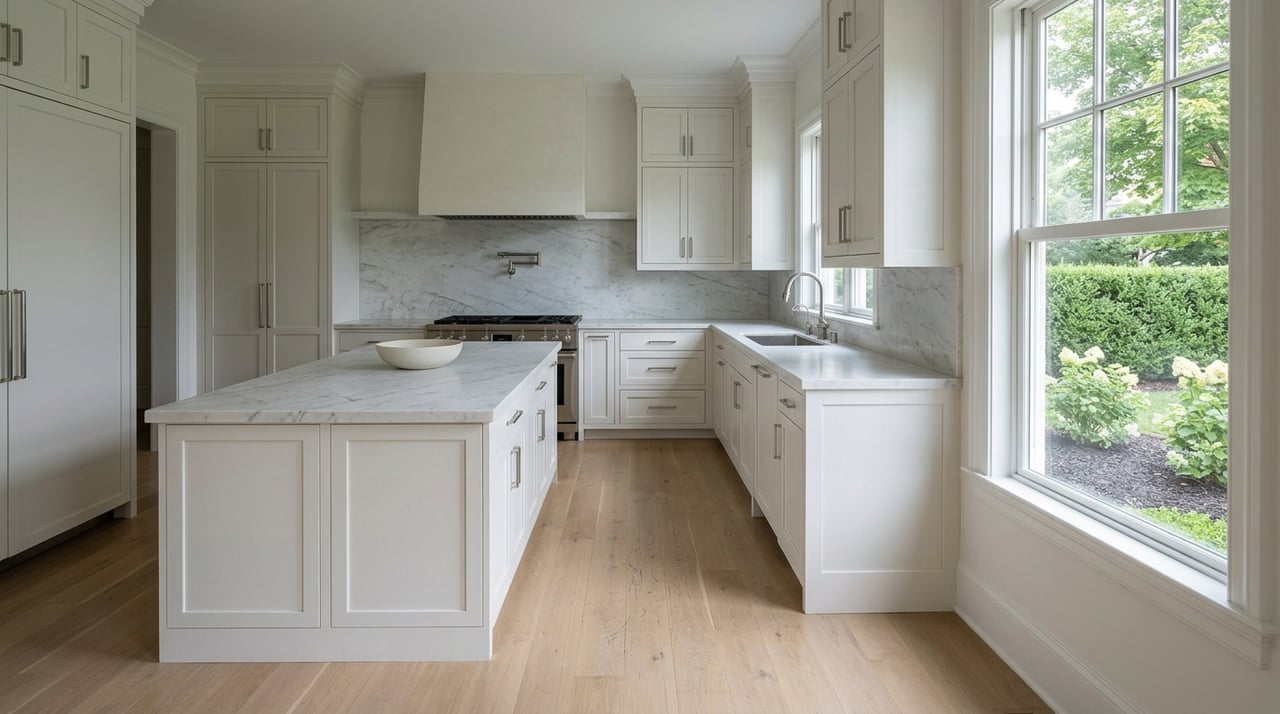
This matters because a move-up home should solve more than one problem. If you want more room but less exterior maintenance, a condo or association-managed setting may fit. If you want privacy and flexibility, a subdivision single-family home may be the better choice.
Township homes and more space
If your top priority is room to grow, Northville Township often deserves a close look. The township highlights parks, golf, Maybury State Park, Hines Park, and freeway access to I-275, M-14, and I-96. In general, the township side tends to be more space-oriented and suburban in feel.
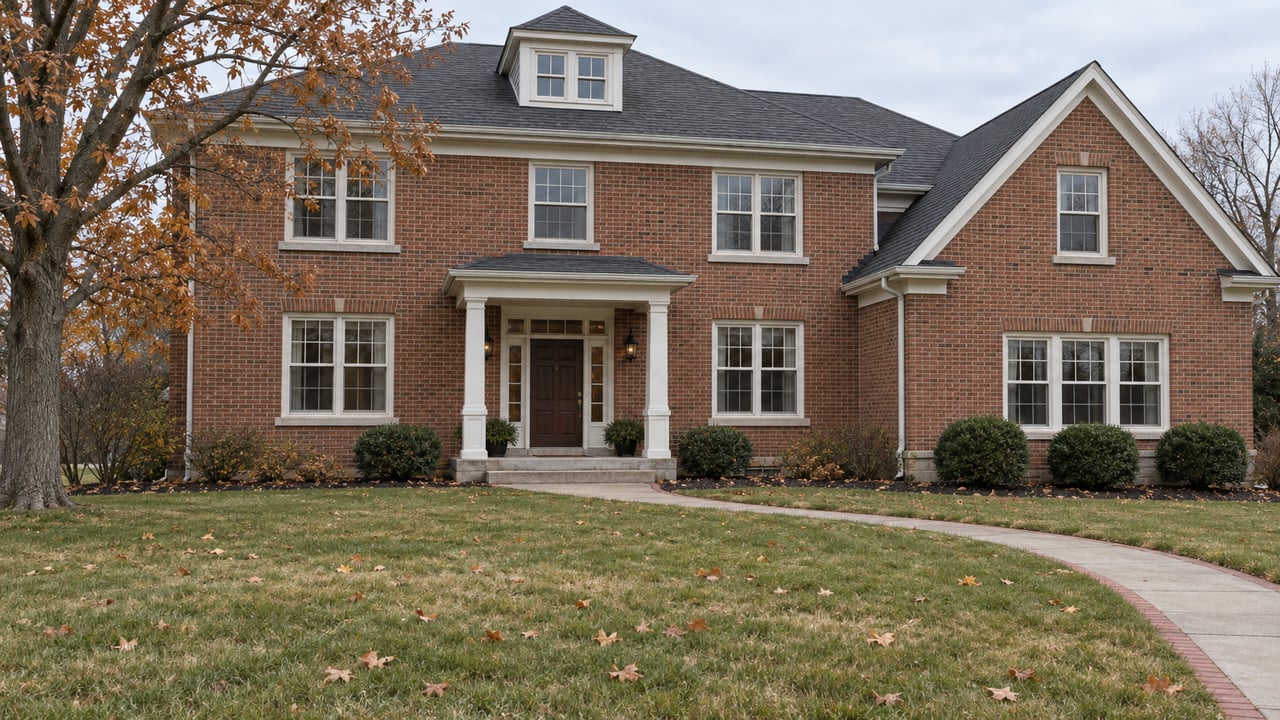
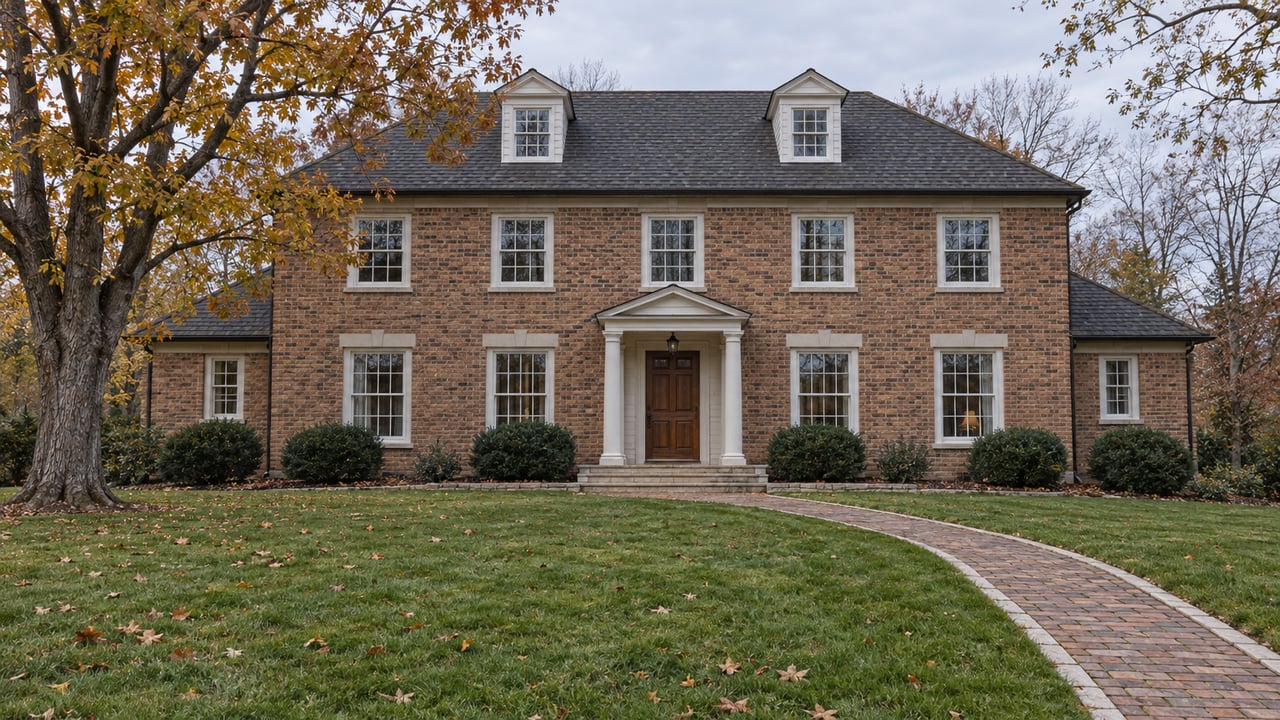
For many move-up buyers, that makes the township a logical next step. You may find the lot size, layout, or overall setting better aligned with a larger-home search, while still remaining within the broader Northville area.
Know the local paperwork that affects your move
Northville's split municipal structure matters more than many buyers realize. The City of Northville spans both Wayne and Oakland counties, while Northville Township is in Wayne County. Before closing, confirm whether the home is in the city or township and which county office handles recording and tax matters.
That detail can affect paperwork, taxes, and where certain filings go. It is a small step, but it can prevent confusion at a point in the transaction when timing is already tight.
Michigan tax and filing items to plan for
Two Michigan items should be on every move-up checklist: the Principal Residence Exemption and the Property Transfer Affidavit. If the home will be your owner-occupied primary residence, Michigan's Principal Residence Exemption can exempt it from local school operating millage, up to 18 mills. To claim it, owners file Form 2368 with the local assessor, and a valid affidavit filed on or before June 1 generally affects taxes starting with the summer levy.
Michigan also requires a Property Transfer Affidavit within 45 days of a transfer of ownership. The state says this filing is mandatory, and missing it can trigger taxable-value uncapping and penalties. In other words, the closing is not just about getting the keys. It is also about making sure post-closing filings are handled on time.
For Wayne County properties, recording generally requires county and state transfer tax plus recording fees, and deeds, land contracts, and plats generally must be tax-certified by the Wayne County Treasurer before recording unless an exemption applies. Michigan Treasury states that the seller or grantor is liable for the state transfer tax. If your move involves a Wayne County property, those closing details should be reviewed early.
Protect yourself during due diligence
In a competitive market, it is tempting to focus only on winning the home. A better approach is to stay competitive while still protecting your future budget. If your purchase contract includes an inspection contingency, CFPB says you can cancel without penalty if the inspection reveals serious problems.
That is especially important in move-up purchases, where repair costs can compete with your plans for furniture, updates, or other improvements. The right home should move your life forward, not redirect your budget into unexpected major work right after closing.
A smart move-up strategy for Northville
The best move-up plans are clear, local, and realistic. Start with your projected sale proceeds, then compare them with your full purchase budget, not just the down payment. From there, narrow your target by lifestyle: historic character, downtown access, lower-maintenance ownership, or more space in the township.
Northville gives you unusual flexibility to make that next move without leaving the area behind. If you approach the process with strong pricing, clean preparation, and a location-specific strategy, you can improve your odds of making a move that feels right both financially and personally.
When you are ready to map out your sale, buying power, and ideal Northville upgrade path, schedule a consultation with kamran Boushehri.
FAQs
How competitive is the Northville market for move-up buyers?
- Recent data for the three months ending April 2026 showed a median of 16 days on market, 7 offers on average, and a median sale price of $518,482, which points to a fairly tight resale market.
How should Northville homeowners estimate equity before moving up?
- Start with your estimated sale price, then subtract your mortgage payoff and expected selling and closing costs so you are working from projected net proceeds rather than rough equity.
Should Northville move-up buyers sell before buying?
- For many households, selling first is the safer option because it gives you a clearer budget and reduces the risk of carrying two homes at the same time.
What is the difference between Northville city and Northville Township for move-up buyers?
- The city often appeals to buyers who want walkability, historic character, or downtown proximity, while the township often appeals to buyers who want more space, greener surroundings, and convenient freeway access.
What should Northville buyers know about historic homes?
- In the Historic District, the Historic District Commission reviews certain exterior and structural changes, so renovation plans should be considered before you buy.
What Michigan tax forms matter after a Northville home purchase?
- Buyers should review whether the home qualifies for the Principal Residence Exemption and make sure the required Property Transfer Affidavit is filed with the local assessor within 45 days of transfer.
Why does county location matter for a Northville move-up purchase?
- Northville includes properties tied to different county offices, so you should confirm whether the home is in the city or township and which county handles recording and tax-related matters.