What makes one Plymouth listing feel instantly appealing online while another gets overlooked? In a market where many households have broadband access and buyers often decide whether to visit based on photos first, staging can shape that first impression in a big way. If you are getting ready to sell, the right staging strategy can help your home look cleaner, brighter, and easier to picture as move-in ready. Let’s dive in.
Why staging matters in Plymouth
Plymouth is a compact, largely owner-occupied market, with a 69.2% owner-occupied housing rate and an estimated median owner-occupied home value of $448,600. That means many buyers are comparing homes carefully and looking for spaces that feel well cared for from the start.
Staging helps create that impression. According to 2025 research from the National Association of Realtors, 83% of buyers' agents said staging made it easier for buyers to visualize a home, 49% of sellers' agents said staging reduced time on market, and 29% said staged homes produced a 1% to 10% increase in offered value.
For Plymouth sellers, staging is not about adding more décor. It is about removing distractions, showing scale clearly, and helping each room read well both in person and in photos.
Match staging to Plymouth home styles
Plymouth has a mix of traditional grid neighborhoods and lower-density suburban areas. The city’s master plan notes that some homes sit on original 25-to-50-foot plats with front porches and rear detached garages, while others are ranch-style homes on larger lots with deeper setbacks.
That matters because staging should fit the home’s layout. In a smaller downtown-area bungalow, oversized furniture can make rooms feel tighter and interrupt flow. In a larger subdivision home, thoughtful furniture placement can help define bigger spaces and make open areas feel purposeful.
Stage for room scale
Use fewer pieces when a room is compact. A simple layout with good walking space often shows better than a room filled with extra chairs, accent tables, or shelves.
In larger rooms, use rugs and seating placement to create clear zones. This helps buyers understand how the space functions without making the room feel crowded.
Let original features stand out
If your home has details like a front porch, older trim, or a traditional layout, avoid staging choices that compete with those features. Clean lines, lighter accessories, and edited décor can help buyers notice the home itself.
The goal is to support the architecture, not overpower it. This approach is especially important in homes where charm and layout are part of the appeal.
Focus on the rooms buyers notice first
The strongest staging plans start with the rooms buyers care about most. NAR reported that the rooms most often staged were the living room, primary bedroom, dining room, and kitchen.
If you are deciding where to spend time and money, these areas should usually come first. A selective strategy can be very effective, especially since NAR reported a median cost of $1,500 for using a staging service and $500 when the seller’s agent handled staging.
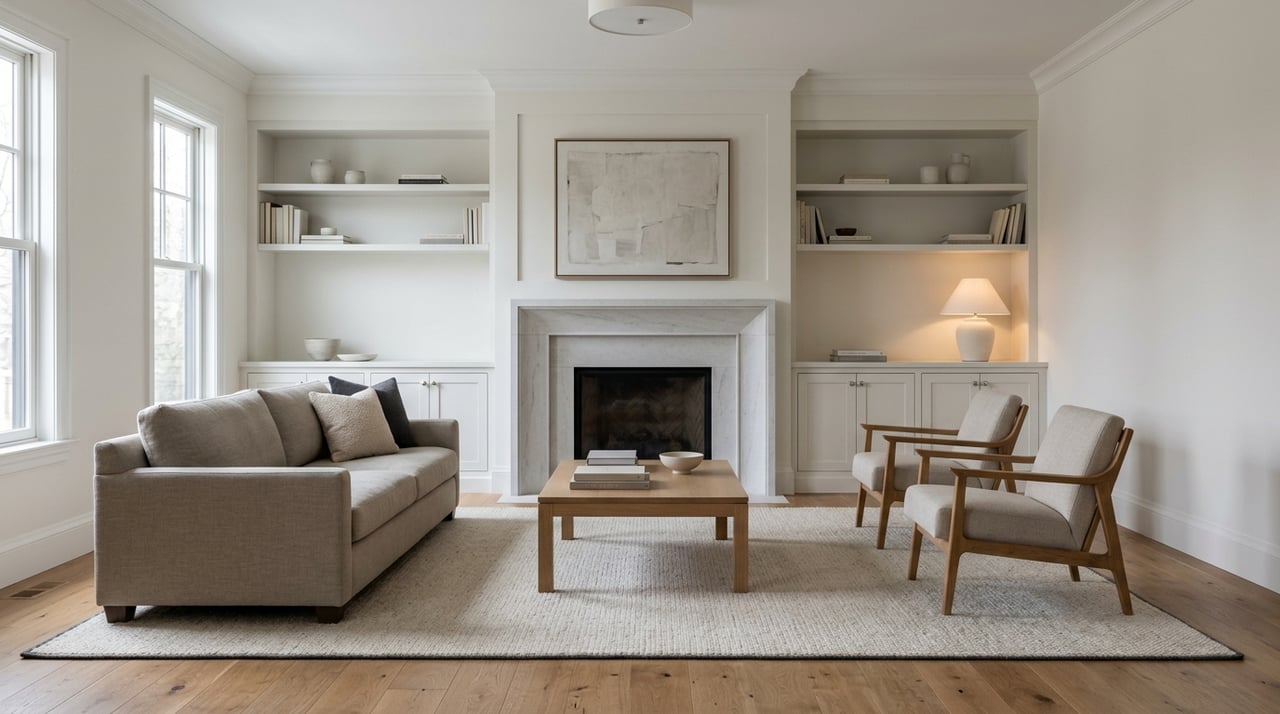
Living room staging
The living room is the top room to stage, according to NAR. Start by removing excess furniture so the room feels open, bright, and easy to walk through.
Limit personal items and busy accessories. You want the room to feel calm in listing photos and comfortable during showings.
Kitchen staging
In the kitchen, clear countertops matter. Put away small appliances, reduce paper clutter, and keep only a few simple items visible so buyers can see prep space.
A clean kitchen tends to read as better maintained. It also photographs better, which is especially important when online presentation drives early interest.
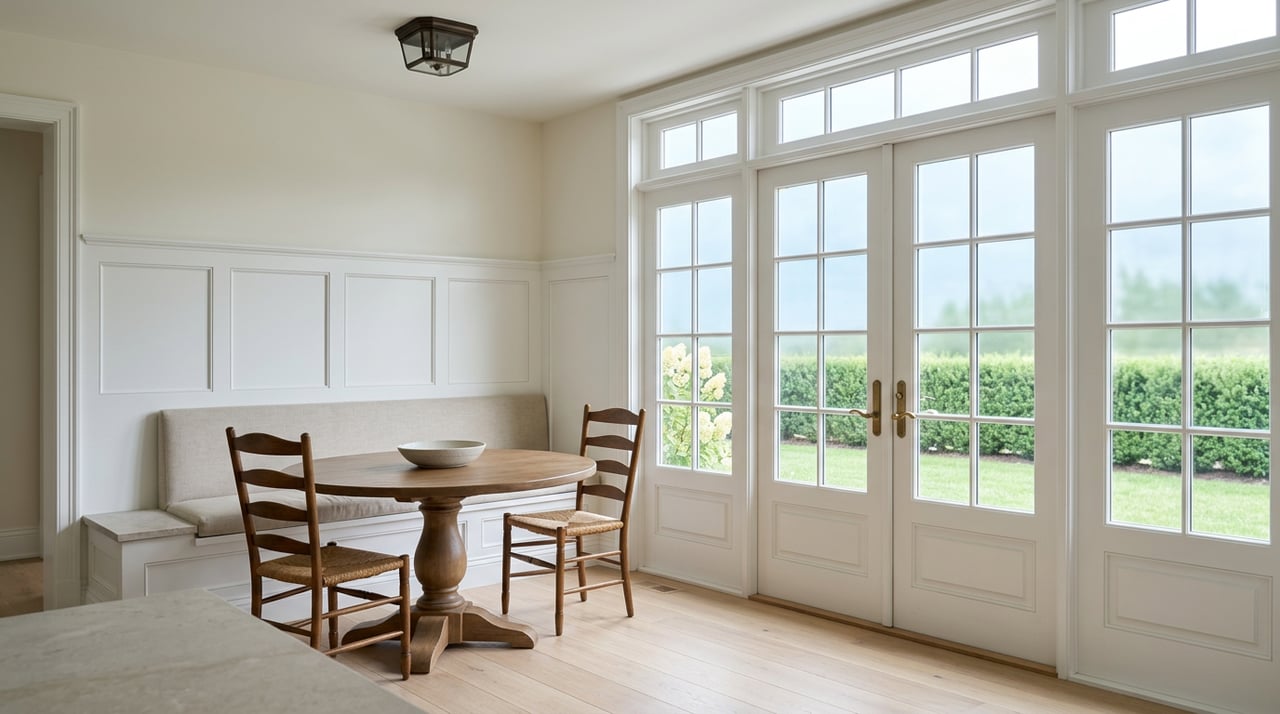
Dining area staging
If your home has a separate dining room, keep the table setup simple and scaled to the room. Buyers should be able to tell that the space works without feeling blocked by oversized furniture.
If your dining area is part of an open-concept plan, use placement, a rug, or lighting to define the zone. Clear definition helps buyers understand how the space can be used.
Primary bedroom staging
The primary bedroom should feel restful and uncluttered. Neutral bedding, minimal furniture, and nearly empty nightstands can help create a calm, hotel-like feel.
This room is one of the most important spaces to stage because buyers respond to comfort and simplicity. The less visual noise, the easier it is to picture living there.
Bathroom staging
Bathrooms do not need elaborate styling. They need to look clean, fresh, and easy to maintain.
Clear off products, wipe down surfaces, and use fresh towels. Even small baths can feel more inviting when they are visually simple.
Do not ignore secondary spaces
Once the main rooms are ready, turn to the areas that help support everyday living. These spaces may not need full staging, but they should still look functional and clean.
In Plymouth homes, that can be especially important because layout and storage vary from older homes to newer ones. Buyers often pay close attention to how the home handles real life.
Secondary bedrooms
Keep secondary bedrooms simple. The goal is to show size, natural light, and flexibility, not to fully decorate every corner.
A clean bed, open floor space, and limited accessories usually do the job. Buyers should be able to imagine guest space, a home office, or another practical use.
Basements and lower levels
If your home has a basement or finished lower level, present it as usable square footage rather than overflow storage. Even a modest setup can help show purpose.
Try to define the area clearly. A sitting zone, workout corner, or media setup can help buyers understand the value of the space.
Mudroom and laundry areas
Michigan weather makes these spaces more important than many sellers realize. With cold, snowy winters in the region, buyers notice whether a home seems ready for boots, coats, and daily mess.
Keep mudrooms and laundry areas tidy and easy to navigate. Clean floors, neat hooks, and clear surfaces can help these practical areas feel like an asset.
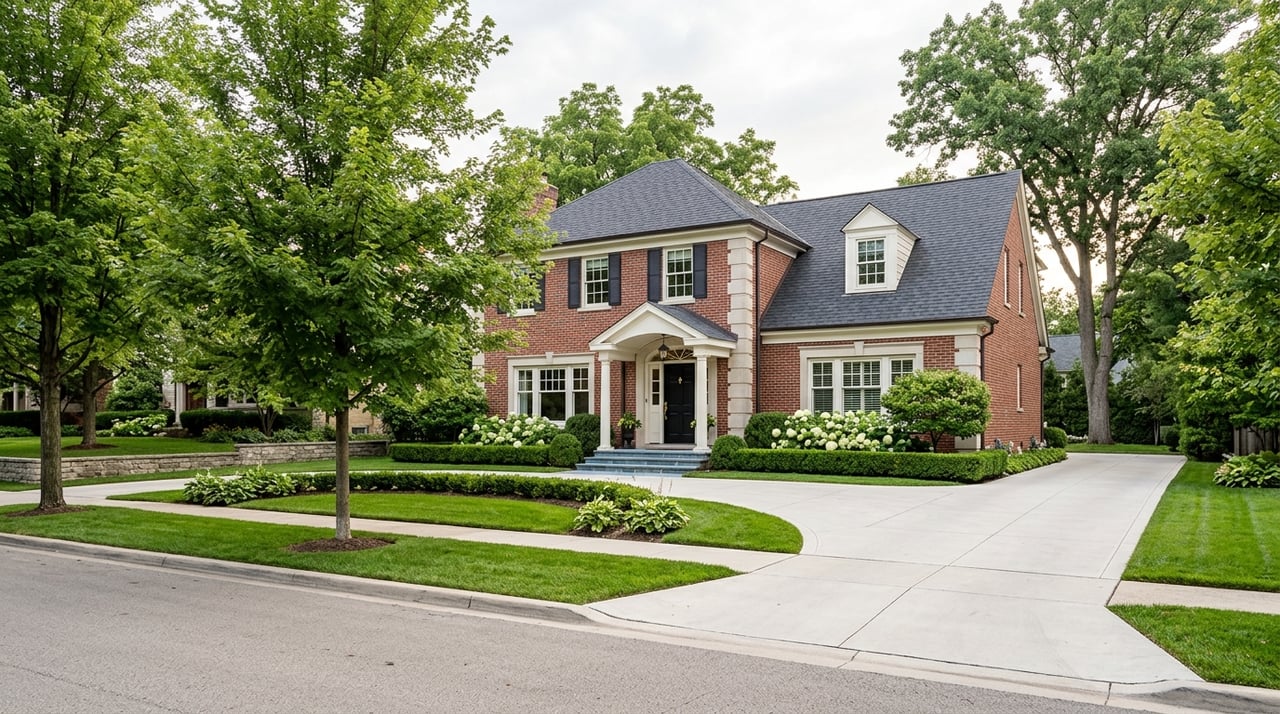
Curb appeal is part of staging
Staging does not stop at the front door. NAR says sellers are commonly advised to declutter, clean, improve curb appeal, make minor repairs, touch up paint, and landscape before listing.
In Plymouth, exterior presentation matters even more because the seasons are so visible. Detroit Metro Airport normals show average snowfall of 14.0 inches in January, 12.5 inches in February, and about 45.0 inches annually, which means winter residue, muddy paths, and worn outdoor areas can stand out fast.
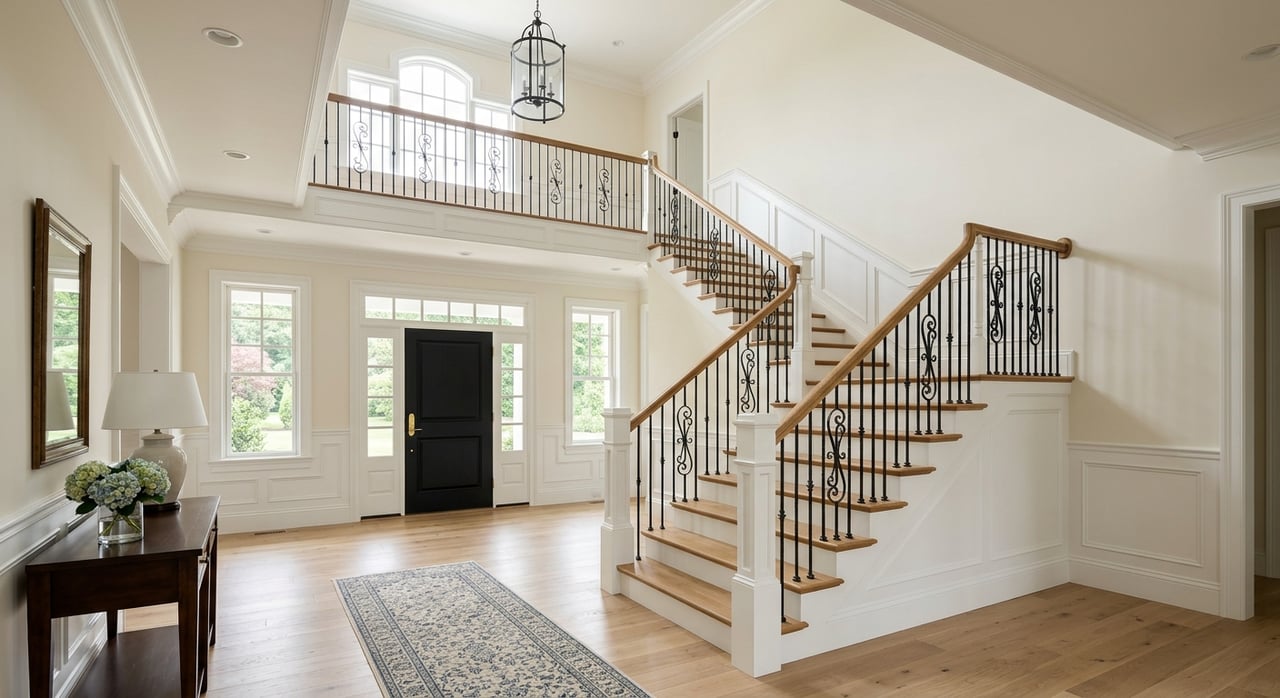
Prioritize the front approach
Pay close attention to the front entry, porch, and walkway. Plymouth’s housing patterns often make these areas part of the home’s first impression, especially in neighborhoods with front porches and detached rear garages.
Sweep surfaces, remove leaf litter, clear snow or slush when needed, and store worn accessories. You want buyers to feel welcomed before they even step inside.
Clean outdoor living areas
Patios, decks, and side paths should look neat in every season. Even if buyers are viewing in colder months, they still notice upkeep.
Simple outdoor furniture, clean surfaces, and a tidy layout can help these areas photograph better. That adds value to your online presentation as well as your in-person showings.
Photography and staging work together
Strong staging supports strong photography. NAR reported that photos were the most important listing tool to buyers' agents, ahead of traditional staging, video, and virtual tours.
That does not mean staging and photography compete. It means they should work together so your home looks polished the moment it appears online.
Prepare for photo day
Before photos, do a final pass through every room. Remove cords, bins, pet items, countertop clutter, and anything that pulls the eye away from the room itself.
Open sightlines matter. Buyers scrolling listings quickly tend to respond to spaces that look bright, clear, and easy to understand.
Keep the look consistent
Try to keep the same clean, edited feel throughout the house. A beautifully staged living room followed by cluttered bedrooms or a crowded basement can weaken the overall impression.
Consistency helps your listing feel more intentional. It also supports the kind of polished presentation that can help a home stand out.
Know when to stage selectively
Not every seller needs full-service staging in every room. In many cases, a targeted plan is the smartest move.
A selective approach may focus on:
- The living room
- The primary bedroom
- The kitchen
- The dining area
- The front entry and porch
- Key photo angles throughout the home
This approach aligns well with current staging research and often gives sellers a practical middle ground between doing nothing and doing too much.
Keep repairs and compliance in mind
If you are planning exterior touch-ups or improvements before listing, check whether the work may need local approval. The City of Plymouth notes that construction work must comply with zoning and applicable building and trade codes, and the community development department supports downtown historic district rehabilitation.
The city also has a Historic District Commission that helps safeguard heritage and improve civic beauty and property values. If your home is older or located in an area where exterior details matter, it is smart to verify requirements before starting visible exterior work.
For pre-1978 homes, federal law requires disclosure of known lead-based paint hazards before sale and gives buyers a 10-day period to test for lead-based paint or hazards. If your pre-listing prep involves scraping, sanding, or repainting older surfaces, plan carefully before the home goes on the market.
A practical Plymouth staging plan
If you want the shortest path to a stronger presentation, keep your strategy simple. Focus on clean sightlines, right-sized furniture, edited décor, tidy exterior spaces, and photo-ready rooms.
That approach fits Plymouth especially well because the housing stock varies, buyers often start online, and seasonal conditions can affect first impressions quickly. Thoughtful staging is not about making your home look generic. It is about helping buyers see its best features clearly.
When you are preparing to sell in Plymouth, a tailored plan can make a meaningful difference in how your home is perceived from the first click to the final showing. If you want expert guidance on positioning, presentation, and marketing, kamran Boushehri can help you build a smart strategy for your listing.
FAQs
What rooms should you stage first when selling a home in Plymouth?
- Start with the living room, primary bedroom, dining room, and kitchen, since current NAR research identifies these as top staging priorities.
How should you stage an older Plymouth home with smaller rooms?
- Use fewer, better-scaled furniture pieces, keep walkways open, and avoid heavy décor so the home’s layout and original details are easier to appreciate.
Does curb appeal matter for Plymouth home sales?
- Yes. Front entries, porches, walkways, and outdoor spaces affect both first impressions and listing photos, and seasonal weather can make exterior upkeep more noticeable.
Is full-home staging necessary for every Plymouth listing?
- No. A selective plan focused on the most important rooms and photo areas can be a practical and effective option for many sellers.
What should Plymouth sellers know before doing pre-listing exterior work?
- If you plan exterior repairs or changes, verify whether the work must comply with local zoning, building, trade code, or historic district requirements before starting.