Are you thinking about buying your first investment property in Plymouth, Michigan? It is easy to see the appeal. Plymouth has a strong local reputation, a fast-moving housing market, and a housing mix that can attract long-term demand. But for a beginner, this is usually not the kind of market where you can assume easy cash flow from day one.
If you want to invest here, you need a clear plan. Plymouth tends to reward careful underwriting, attention to local rules, and a focus on durability over quick monthly spread. In this guide, you will learn how Plymouth’s numbers look, which property types make the most sense, and how to screen a deal with more confidence. Let’s dive in.
Plymouth market basics
Plymouth looks more like a premium, owner-occupant-heavy market than a classic high-yield rental market. The city had 4,185 households in the 2020-2024 American Community Survey, a 2025 population estimate of 9,164, and a 69.2% owner-occupied housing rate. That tells you a lot of demand comes from people buying homes to live in, not just investors chasing rental returns.
Home prices also sit at a relatively high level. The median owner-occupied home value was $448,600 in the Census data, while Zillow’s current home value figure was $483,632, up 4.7% year over year. Zillow also reported homes going pending in about 4 days, with 78 homes for sale as of May 31, 2026.
For a beginner, that combination often points to resilience and resale strength. It does not automatically point to strong cash flow. In Plymouth, you usually want to ask whether the rent can truly support the purchase price, operating costs, and compliance needs before you move forward.
Why Plymouth feels different
Some markets are built for yield. Plymouth is more often built for quality demand and long-term hold potential. That matters because your strategy may need to lean more toward stable appreciation and exit flexibility than maximum monthly income.
The city’s rent and value numbers show that gap clearly. Census data lists a median gross rent of $1,217, while Zillow’s live rental snapshot showed an average asking rent of $1,699 across 67 active listings as of June 20, 2026. Since those are different data types, they should be used as two separate benchmarks rather than treated as the same number.
The key takeaway is simple: rents are not low, but purchase prices are also high. That means your margin for error can be smaller than many first-time investors expect.
Property types to target first
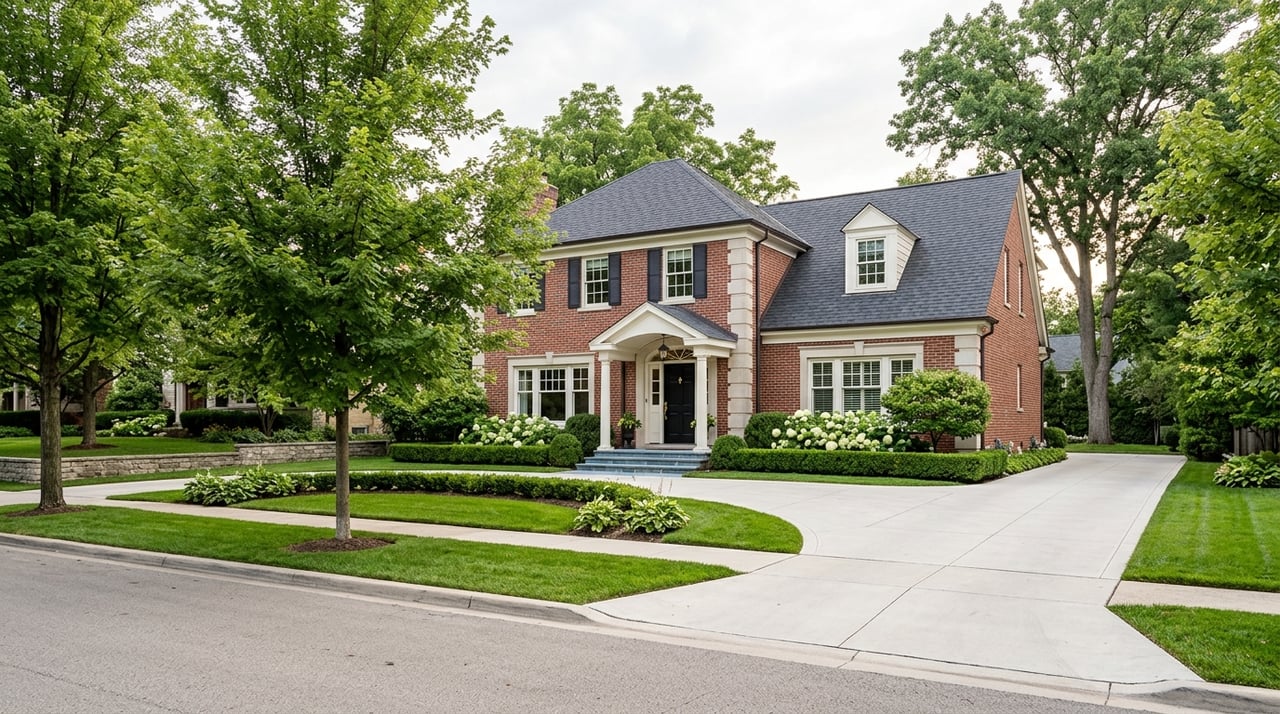
Plymouth has about 4,700 housing units, with roughly 60% detached single-family homes and 40% attached single-family homes or buildings with two or more apartments. The city also notes that many households are small, with 69% made up of one or two people. That can shape the kinds of units that fit the market best.
For a beginner, the most realistic targets are usually:
- Detached single-family homes
- Condos
- Townhomes
- Duplexes
- Small multifamily properties
City planning materials describe Plymouth’s housing pattern as traditional single-family neighborhoods with scattered duplexes, along with multifamily areas that include duplexes, triplexes, multiplexes, townhouses, small apartment buildings, and groups of condominiums. In practical terms, that means you are more likely to find smaller-scale entry points than large apartment community opportunities.
The city also notes growth in multifamily structures, especially high-end condominiums. If you are buying your first investment property, that may open the door to lower-maintenance options, though you still need to study rent support carefully.
Watch the zoning and lot details
This is an important point that beginners sometimes miss. Plymouth planning materials note that many homes and lots in the core area sit on narrow plats, and some existing homes and lots do not meet current zoning requirements. If you are thinking about an addition, major renovation, rebuild, or repositioning plan, that detail matters.
In other words, not every attractive property is equally flexible. A home may work well as a straightforward rental but become more complicated if your strategy depends on changing its footprint or use. Before you treat a property as a value-add play, make sure the physical and zoning realities support your plan.
What rents look like now
Zillow’s June 20, 2026 rental data for Plymouth showed an average asking rent of $1,699 across 67 live listings, with rents ranging from $910 to $7,750. The same snapshot showed average asking rents of:
- 1-bedroom: $1,495
- 2-bedroom: $1,699
- 3-bedroom: $3,400
- 4-bedroom: $4,150
Those numbers can help you estimate what the market is asking right now. But remember, asking rent is not the same as signed rent, and citywide averages do not replace property-specific analysis. A condo, duplex unit, and detached home can perform very differently even within the same city.
Because Plymouth appears to have a modest rental pool, listing quality and turnover can matter quite a bit. There was no official city-level rental vacancy rate located in the research, so it is best to avoid making assumptions about vacancy beyond what the active listing count and owner-occupancy pattern suggest.
Local rental rules matter in Plymouth
Plymouth has a local rental housing inspection program, and this should be part of your deal review from the start. The city says all rental units must be inspected and approved under Michigan State Housing Law. Every rental property must also have a valid Certificate of Compliance before it can be occupied.
The city mails applications in September before a December expiration, and inspections are scheduled on weekdays with 72-hour tenant notice. For you, that means compliance is not a side issue. It is part of normal operating due diligence.
If you are a first-time investor, this is one of the clearest reasons to stay disciplined. A property that looks good on paper still needs to work in the real world, including local inspection requirements and turnover logistics.
How Plymouth compares nearby
If your goal is cash flow first, it helps to compare Plymouth with nearby communities. Using ACS 2020-2024 medians, Plymouth’s approximate gross rent-to-value ratio was 3.3%. That is lower than several nearby markets.
Here is the comparison snapshot:
| Area | Median Value | Median Gross Rent | Approx. Gross Rent-to-Value Ratio |
|---|---|---|---|
| Plymouth city | $448,600 | $1,217 | 3.3% |
| Plymouth township | $400,800 | $1,192 | 3.6% |
| Livonia | $281,100 | $1,322 | 5.6% |
| Canton Township | $372,400 | $1,501 | 4.8% |
| Westland | $184,600 | $1,158 | 7.5% |
| Northville | $465,400 | $1,623 | 4.2% |
These are simple comparison ratios, not cap rates. Still, they offer a useful directional read. Plymouth and Northville look more premium and lower-yield, while Westland and Livonia appear more cash-flow friendly. Canton sits somewhere in the middle.
Live Zillow asking-rent snapshots support that broader picture. Plymouth sits in the middle of the suburban rent band, while its home prices remain comparatively high. That is why beginners should be especially careful not to confuse a desirable market with an easy rental math market.
A beginner-friendly Plymouth strategy
For many first-time investors, Plymouth makes the most sense if you value quality demand, long-term resilience, and resale appeal. It may be a fit if you are comfortable accepting a tighter monthly spread in exchange for a stronger owner-occupant market and premium positioning.
That does not mean every deal works. It means your standards should be high. You want to focus on buying the right property at the right basis, with realistic rent assumptions and a clear understanding of operating requirements.
A strong beginner approach in Plymouth often includes:
- Targeting familiar property types like houses, condos, townhomes, duplexes, or small multifamily
- Checking whether the property is in the City of Plymouth or Plymouth Township
- Using both Census and live market data to estimate rent support
- Reviewing rental inspection and Certificate of Compliance requirements early
- Stress-testing the deal for turnover, repairs, and conservative rent assumptions
A simple workflow to screen a deal
If you are just getting started, keep your process simple and repeatable. The goal is to reduce guesswork and compare opportunities using the same framework each time.
Here is a practical workflow based on the public data in the research:
- Confirm the location. Make sure the property is in the City of Plymouth, not Plymouth Township, since the numbers differ.
- Check baseline market stats. Review owner-occupancy, median home value, and median gross rent for context.
- Review live market conditions. Look at current asking rents, active rental listings, home values, inventory, and pace.
- Verify rental compliance. Check Plymouth’s rental inspection requirements before making assumptions about operations.
- Match the property to local housing stock. Decide whether the unit type fits what the city commonly supports.
This kind of discipline can help you avoid a common beginner mistake: buying based on the city’s reputation instead of the property’s actual numbers.
Final thoughts for first-time investors
Plymouth can be a smart market for beginners, but usually for the right reasons. It appears better suited to investors who prioritize stability, demand quality, and long-term positioning over chasing the highest possible yield. If that matches your goals, Plymouth may deserve a close look.
The key is to underwrite carefully. In this market, success often comes from buying well, staying realistic on rents, and respecting local compliance from the start. If you want a data-driven second opinion on a Plymouth investment opportunity, kamran Boushehri can help you evaluate the numbers and strategy with a local, consultative approach.
FAQs
What makes Plymouth different for beginner real estate investors?
- Plymouth appears to be a premium, owner-occupant-heavy market where durability and resale strength may matter more than maximum cash flow.
What property types are most realistic in Plymouth for a first investment?
- Detached houses, condos, townhomes, duplexes, and small multifamily properties are the most practical beginner targets based on the city’s housing stock and planning materials.
What rent data should you use for a Plymouth investment property?
- Use both the Census median gross rent for baseline context and Zillow’s live asking-rent data for current market signals, while remembering they are different metrics.
What local rental rule should beginners know in Plymouth?
- The city requires rental units to be inspected and approved, and each rental property must have a valid Certificate of Compliance before occupancy.
How does Plymouth compare with nearby cities for cash flow?
- Based on ACS median rent-to-value comparisons, Plymouth looks more premium and lower-yield than places like Westland and Livonia, with Canton in the middle and Northville also on the lower-yield side.
What is the first step when screening a Plymouth investment deal?
- First confirm whether the property is in the City of Plymouth or Plymouth Township, because the two areas have different housing and market numbers.