Are you deciding between a townhome and a single-family home in Plymouth and wondering which one actually makes more sense for your life and budget? It is a smart question, especially in a fast-moving market where attached homes are not always the lower-cost option. If you want to compare maintenance, privacy, monthly costs, and long-term flexibility with more clarity, this guide will help you sort through the tradeoffs. Let’s dive in.
Plymouth market context
In Plymouth, the choice between a townhome and a single-family home is often more about lifestyle than sticker price. Current market data shows 7 townhouses for sale at a median listing price of $550,000 and 50 condos for sale at a median listing price of $480,000. At the same time, the broader Plymouth market is highly competitive, with a median sale price of $807,500 in March 2026 and homes going pending in about 11 days.
That data matters because many buyers assume attached homes are always the more affordable path. In Plymouth, that is not necessarily true. Townhome listings are often concentrated in newer construction in the mid-$400,000s to mid-$500,000s, while some general home listings appear at lower price points.
Townhomes in Plymouth
A townhome can be a strong fit if you want a more streamlined ownership experience. In many cases, the appeal is less yard work, less exterior upkeep, and a simpler day-to-day routine. For buyers who want convenience and a more lock-and-leave lifestyle, that can be a major advantage.
In Plymouth, many attached-home listings also come with homeowners association dues. Recent examples show HOA fees around $260 to $375 per month. That means your real monthly cost is not just your mortgage payment, but also taxes, insurance, and HOA dues.
What you usually gain
Townhomes often appeal to buyers who want:
- Lower day-to-day exterior maintenance
- A more predictable routine for upkeep
- Access to shared common areas or community-maintained spaces
- A lifestyle that may feel easier for busy professionals, first-time buyers, or downsizers
What you need to watch closely
The convenience of a townhome usually comes with rules and shared financial obligations. Under Michigan condominium ownership rules, buyers may own their unit plus a percentage interest in common elements, and the association can set maintenance fees and assess owners for repairs to common elements. Community documents may also regulate pets, rentals, parking, outdoor displays, and modifications.
That is why the legal structure matters. In Michigan, a property marketed as a townhome may still be legally structured as a condominium, and that can shape your ownership rights and responsibilities. Before you compare an attached home to a detached house, confirm exactly what type of property you are buying.
Single-family homes in Plymouth
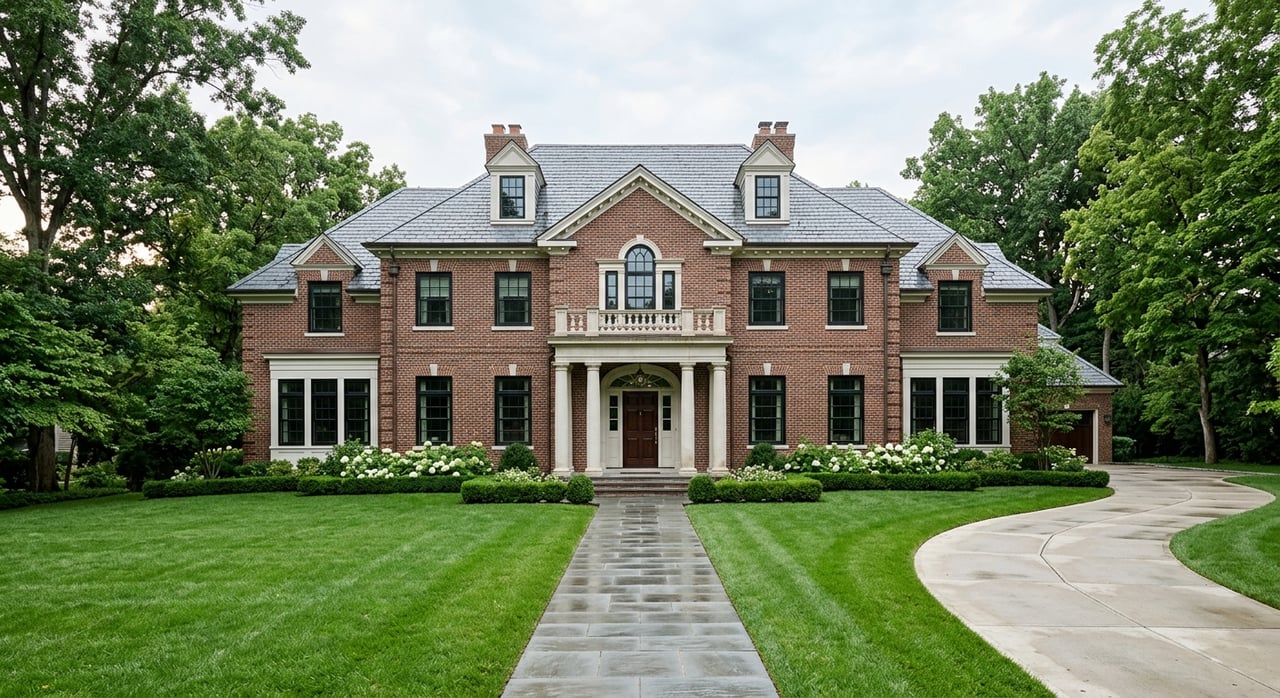
A single-family home is usually the better fit if you want more privacy, more separation from neighbors, and more control over the property. You may also have more room for a yard, outdoor projects, or exterior changes. For many buyers, that flexibility is the biggest reason to choose a detached home.
The tradeoff is that more responsibility usually falls on you. Exterior repairs, landscaping, and routine upkeep are often fully owner-managed. Some single-family neighborhoods may still have HOA rules, but detached homes generally offer more freedom than attached communities.
Where single-family homes stand out
Single-family homes tend to make the most sense when you value:
- More privacy
- A yard or more outdoor space
- Greater freedom to customize the exterior and landscaping
- Fewer shared walls and less community oversight
The maintenance side
If you choose a single-family home, it helps to be realistic about time and cost. You may avoid monthly HOA dues, but you are also taking on more direct maintenance. In practical terms, that means the better option is often the one that matches how much upkeep you actually want to handle.
Monthly cost matters more than label
One of the biggest mistakes buyers make is comparing only purchase price. In Plymouth, that can lead to the wrong conclusion because attached and detached options can overlap in price. A townhome may look simpler at first glance, but the monthly payment can shift once HOA dues are added.
A better comparison is the all-in monthly cost. That includes:
- Mortgage payment
- Property taxes
- Homeowners insurance
- HOA dues, if applicable
- Expected maintenance and repair costs
When you compare homes this way, the decision becomes clearer. The best fit is usually the property that supports the lifestyle you want at a monthly cost you can comfortably carry.
Property taxes in Plymouth
Property taxes are another area where buyers should slow down and ask questions. The City of Plymouth states that tax bills are based on taxable value multiplied by local millage rates. Michigan Treasury also notes that a transfer of ownership generally causes taxable value to uncap in the following calendar year.
That means your post-closing tax bill may look different from the seller’s current tax amount. If the home will be owner-occupied, you should also ask whether you qualify for the principal residence exemption, which can exempt an owner-occupied home from up to 18 mills of local school operating tax. These rules can affect both townhomes and single-family homes.
Resale and appreciation considerations
When buyers ask which property type appreciates better, the honest answer is that it depends. Recent national data suggests the condo market has faced pressure from rising HOA fees and insurance costs, although some markets are showing signs of stabilization. In Plymouth, the stronger local takeaway is that resale potential depends heavily on the specific property, not just whether it is attached or detached.
For example, an attached home with well-managed reserves, reasonable dues, and solid building quality may hold up well. On the other hand, a detached home with deferred maintenance may create its own resale challenges. In both cases, the finer details matter.
What supports resale strength
In Plymouth, resale strength is often tied to:
- Building and construction quality
- HOA financial health and reserve levels
- Monthly carrying cost
- Maintenance condition
- Buyer demand at that price point
Key questions to ask before you buy
If you are comparing Plymouth townhomes and single-family homes, these questions can help you make a cleaner decision:
- Is the property legally a condo, townhouse, or fee-simple home?
- What does the HOA fee cover?
- Are there any special assessments planned or discussed?
- Are there rules about pets, rentals, parking, or exterior changes?
- How healthy are the HOA reserves?
- How might the property tax bill change after the sale?
- Does the home fit the amount of maintenance you want to handle?
- Are you paying for features and conveniences you will actually use?
Which option fits your goals?
If you want lower-maintenance living and feel comfortable with community rules and monthly dues, a townhome may be the better match. This can be especially appealing if you prefer convenience over yard work and exterior upkeep. In Plymouth, that choice should be based on the total cost and ownership structure, not the assumption that attached homes are always cheaper.
If you want more privacy, more independence, and more freedom to customize, a single-family home may be the stronger option. That path often works best for buyers who are comfortable taking on more maintenance in exchange for more control. In a competitive market like Plymouth, your best move is to weigh how you want to live just as carefully as what you want to spend.
Choosing between a townhome and a single-family home is rarely just a numbers exercise. It is about matching your budget, your time, and your long-term priorities to the right kind of ownership. If you want help comparing Plymouth options with a more strategic, data-driven approach, connect with kamran Boushehri to schedule a consultation.
FAQs
What is the main difference between a Plymouth townhome and a Plymouth single-family home?
- A Plymouth townhome often offers lower day-to-day exterior maintenance and may include HOA dues and community rules, while a Plymouth single-family home usually offers more privacy, more outdoor space, and more owner control.
Are townhomes in Plymouth always less expensive than single-family homes?
- No. Current Plymouth pricing shows overlap between attached homes and the broader housing market, so a townhome is not automatically the lower-priced option.
What should Plymouth buyers know about HOA fees on townhomes?
- HOA fees can add a meaningful monthly cost and may cover items like landscaping, routine maintenance, and common-area upkeep. Buyers should also ask about reserves, special assessments, and community restrictions.
How do property taxes work for Plymouth townhomes and single-family homes?
- In Plymouth, property taxes are based on taxable value multiplied by local millage rates, and a transfer of ownership generally causes taxable value to uncap in the following calendar year.
Why does the legal structure matter when buying a Plymouth townhome?
- In Michigan, a property marketed as a townhome may be legally structured as a condominium, which can affect ownership rights, common elements, fees, and community rules.
Which Plymouth home type is better for resale potential?
- Resale potential depends more on the specific property, monthly carrying costs, maintenance condition, and HOA health than on whether the home is attached or detached.