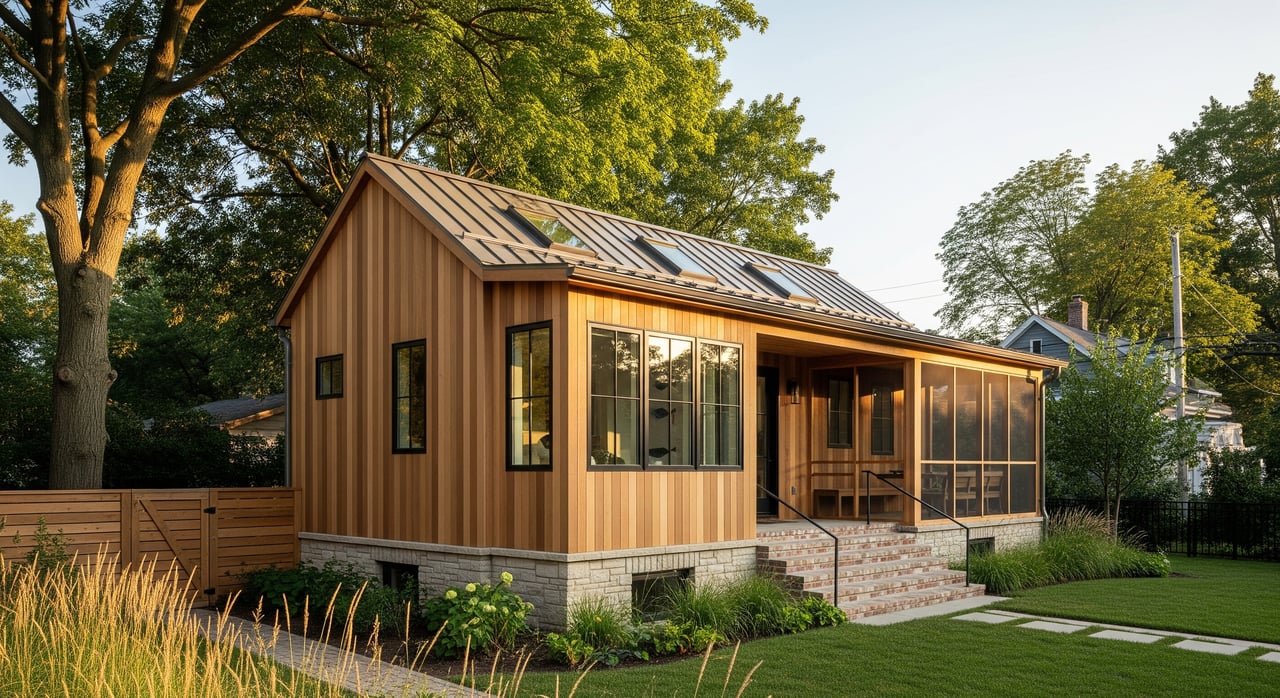
Thinking about adding an accessory dwelling unit to your Ann Arbor property? Whether you want flexible space for family, a long-term rental, or a future-ready home office, the right ADU can add utility and value to daily life. Ann Arbor is supportive of well-designed ADUs, but success starts with understanding local rules and designing to your lot. In this guide, you’ll learn what to check first, how to shape a compliant design, and the steps to get from idea to approval. Let’s dive in.
Know the rules in Ann Arbor
Before you sketch floor plans, confirm what is allowed on your lot. In Ann Arbor, the City’s ADU Guide and the zoning ordinance set the ground rules for where an ADU can go, how big it can be, and how it is used. Building and energy codes govern how it is built. If your property uses a septic system, the Washtenaw County Health Department may also need to approve capacity. Properties in a local historic district can require extra design review.
Check zoning and lot context
Start with your zoning district. Zoning determines if an ADU is permitted and which dimensional standards apply. Lot size and shape, the position of your primary home, and any corner conditions or easements will influence where you can place an ADU. Irregular parcels and service easements can reduce the buildable area.
Understand setbacks and coverage
Front, side, and rear yard setbacks limit where a detached ADU can sit. Some accessory structures have different setbacks than living space, so verify which standards apply. Lot coverage and impervious surface caps include the ADU footprint, driveways, and patios, and can trigger stormwater measures if you add hard surfaces.
Height and massing limits
Height limits affect whether a two-story ADU is possible on your lot. Many sites benefit from a lower roofline than the main house and stepped-back second stories to reduce visual impact. Smart roof forms like shed roofs or dormers can create comfortable interior space while staying within height limits.
Use, occupancy, and rental rules
Owner-occupancy requirements, caps on occupants, and short-term rental policies vary. In Ann Arbor, confirm current rules in the City’s ADU Guide and zoning regulations. Utility metering expectations for rentals should also be verified at this stage, since they affect design and operating costs.
Parking and access
Parking standards can shape your layout. Some locations require an additional off-street space, while others may allow exemptions. Driveway placement and new curb cuts must meet street standards, and narrow or historic streets can have limits on access.
Utilities, septic, and wells
Homes on municipal water and sewer are typically simpler to serve. If your property relies on a septic system, the county health department will determine whether the system can handle an additional bedroom or dwelling. Upgrades may be required.
Historic districts, trees, and site protections
Local historic district status can add a design review step and influence exterior materials and forms. Mature trees are often protected; understand tree preservation rules early so your design and utility routing respect required buffers.
Environmental constraints and code
Floodplains, wetlands, steep slopes, and soil conditions can require engineering solutions and affect where you build. Building codes will set standards for egress, fire separation between units, minimum ceiling heights, and life safety systems like smoke and carbon monoxide alarms.
Choose the right ADU type for your lot
Picking the right ADU type early helps you focus your budget and approvals.
Detached ADU
A standalone unit in the rear yard or above a garage offers privacy and a clearly separate entrance. It requires adequate rear or side setbacks and must fit height and coverage limits. It can be ideal on deeper lots or those with alley access.
Attached ADU
An attached addition or a suite that shares a wall with the main house often simplifies utility connections and may streamline code compliance. It can offer a good balance of independence and proximity while minimizing new impervious surface.
Garage or accessory building conversion
Converting an existing space can lower costs and reduce site disturbance. Verify that the structure can meet residential standards for insulation, egress, and ceiling height, and that setbacks for living space apply to the converted building.
Interior conversion or Junior ADU
Basement, attic, or internal reconfigurations limit exterior changes and can be faster to permit. Confirm if different rules apply to internal conversions in your zoning district and whether separate entrances are required.
Smart siting and neighbor-friendly design
Thoughtful placement helps you meet regulations and maintain neighborhood character.
Siting strategies that work
Rear-yard placement helps reduce street visibility. If your lot backs to an alley, consider orienting entries and parking to the alley to avoid new curb cuts. Using an existing garage footprint or building above a garage can minimize new hardscape and tree impacts.
Design moves for privacy and scale
Keep ridgelines lower than the main house when possible and align materials and rooflines for a compatible look. Use window placement that protects neighboring outdoor spaces. Landscape buffers and fencing can improve privacy and stormwater performance.
Layout and building services
Stack kitchens and bathrooms to shorten plumbing runs and control costs. Plan mechanicals and utility meters in low-visibility areas and choose quiet HVAC equipment. If aging-in-place is a goal, consider at-grade entries and single-level living.
Map your permitting path in Ann Arbor
A clear process helps you budget time and fees.
Typical steps
- Do a preliminary zoning check or schedule a pre-application meeting with planning staff to confirm what’s allowed.
- Complete a zoning review for setbacks, height, lot coverage, and parking.
- Provide a site plan and architectural drawings as required. Scale of review depends on whether your ADU is by-right.
- Submit building permit drawings covering structural, mechanical, electrical, plumbing, and energy code compliance.
- Undergo inspections during construction and secure a final occupancy sign-off.
Possible additional approvals
You may need a variance if your design cannot meet numeric limits like setbacks or height. Historic district properties will require design review. Tree work can require permits, and septic systems may need county health approval. Utility providers may have separate requirements for new services or meters.
Timeframes and costs
Plan for several weeks to months for planning and permitting, longer if variances or neighborhood review are involved. Fees include plan review and permits, and can increase if septic upgrades, utility tie-ins, or variance applications are needed. Construction timelines and costs vary by ADU type and finish level.
Pre-design checklist for Ann Arbor owners
Gathering accurate info up front prevents costly redesigns.
- Zoning district, any overlays, and whether your property is in a local historic district.
- Lot size, existing structures, measured setbacks, and any easements or right-of-way.
- Floodplain, wetlands, slopes, and soil considerations.
- Water and sewer status, or septic and well records.
- Mature tree inventory and any protection requirements.
- Covenants or neighborhood rules if applicable.
- Recent survey, plat, and existing floor plans.
Clarify your program and budget:
- Intended use: long-term rental, family member housing, or flexible living space.
- Desired size, bedroom count, and accessibility goals.
- Budget range and target timeline.
- Energy-efficiency aspirations and preferences for shared or separate utilities.
Questions to bring to a pre-application meeting
- Are ADUs allowed by-right in this zoning district, and what are the maximum size, height, and setback limits?
- Is owner-occupancy required? What are the rules for short-term rentals?
- What parking requirements apply, and are there waivers based on lot context or transit proximity?
- If on septic, what does the county health department require for an additional dwelling or bedroom?
- Are there any design guidelines for historic districts or neighborhood overlays that apply?
- What constitutes a complete permit submission and what is the expected review timeline?
For buyers, sellers, and investors in Washtenaw County
If you are buying, evaluate ADU feasibility during due diligence by checking zoning, setbacks, lot coverage, and utility status. A property with clear ADU potential can offer flexibility for future needs. If you are selling, a legally permitted ADU or a clear path to one can broaden appeal for some buyers, but always confirm current rules before marketing ADU potential.
Adding a permitted ADU can affect assessed value and insurance needs. Plan to speak with the local assessor and your insurer so operating costs align with your goals.
Your next steps
- Review the City’s ADU Guide for Ann Arbor and confirm your zoning district.
- Order a current property survey and gather utility or septic records.
- Sketch a concept plan and schedule a pre-application check with planning staff.
- Interview local designers or architects who have recent ADU approvals in Ann Arbor.
If you want help evaluating properties for ADU potential or positioning an existing home with an ADU for the market, let’s talk. Schedule a consultation with Unknown Company and get a clear plan tailored to your goals in Ann Arbor and greater Washtenaw County.
FAQs
How big can my ADU be in Ann Arbor?
- Size limits vary by zoning district and can be tied to the size of the primary dwelling. Check the City of Ann Arbor ADU Guide for current square footage caps.
Can I build a two-story ADU in Ann Arbor?
- It depends on height limits and setbacks in your zoning district. Some sites allow two stories if massing and height comply, so verify specifics in the ADU Guide.
Do I need to live in the main house to have an ADU?
- Owner-occupancy rules differ by jurisdiction and may change. Confirm Ann Arbor’s current policy in the ADU regulations before you plan your use.
Will I need extra parking for an ADU?
- Parking requirements vary by location and lot context. Some areas require an additional off-street space, while others offer exemptions. Confirm with planning staff.
What if my Ann Arbor lot is on septic?
- The county health department will review system capacity. Additional bedrooms or a new unit may require upgrades or could be limited by system size.
How long do permitting and construction take?
- Permitting typically takes weeks to months depending on reviews or variances. Conversions are often faster and less costly than new detached construction.
Will an ADU affect my taxes or insurance?
- A permitted ADU can change assessed value and insurance coverage needs. Plan to check with the local assessor and your insurer early in the process.