Thinking about a condo or townhome in Canton? You are not alone. Many buyers here want low‑maintenance living, modern amenities, and strong value in a central Wayne County location. In this guide, you will learn what condos and townhomes cost in Canton right now, how HOA rules and financing work, and what to check before you buy. You will also get a simple checklist so you can move forward with confidence.
Let’s dive in.
Canton market at a glance
Condo and townhome shoppers in Canton benefit from a wide mix of communities and price points. As a frame of reference, Canton’s overall median sale price sat near 390,000 based on a January 2026 snapshot from a major market tracker. Townhouses specifically have been reported around a 317,400 median during early 2026 by another national source. Most attached 2 to 3 bedroom homes in Canton tend to sell from the mid 200s to the mid 300s depending on age, size, and amenities.
Inventory for attached homes is smaller than for single‑family houses, so well‑priced units can move quickly. Plan to watch new listings closely and be ready to review HOA documents early if you find a fit.
If you are an investor, recent rental averages in Canton for condos have hovered around 1,700 to 1,800 per month, with many townhomes leasing above 2,000 depending on size and finishes. Always verify current rent comps and HOA rental rules before offering.
Where to look: property types
Golf course and planned communities
Communities such as those near Fellows Creek and Pebble Creek offer condo living with features like attached garages, clubhouse and pool access, and exterior maintenance handled by the association. Recent sales have ranged from the low to mid 200s up to roughly the low 300s or more based on size and updates.
Newer townhome clusters
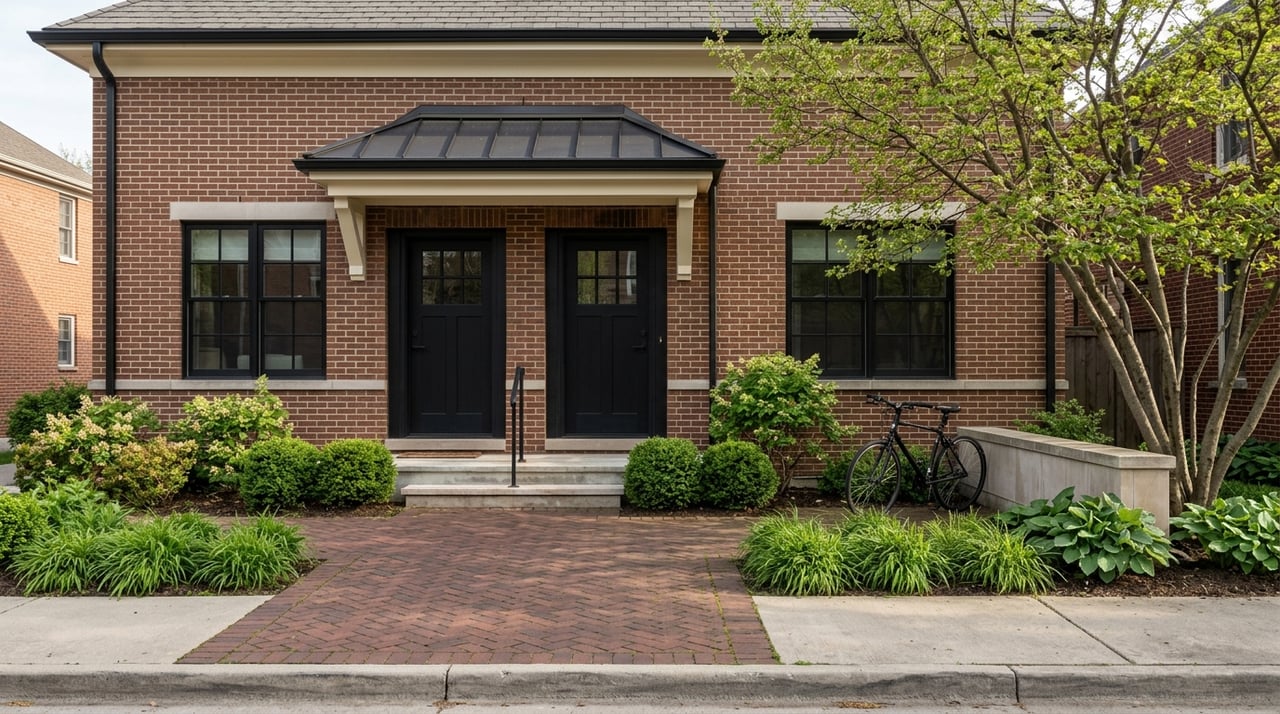
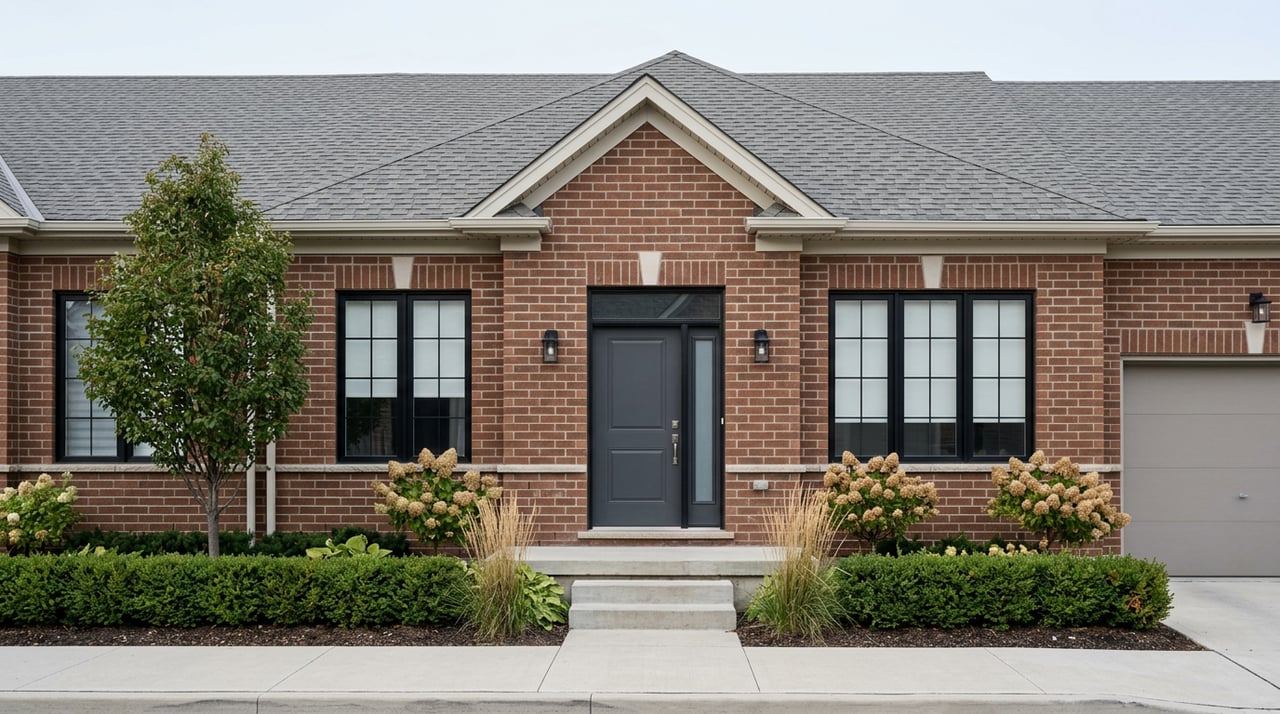
You will also find newer townhome communities and small builder clusters around Canton. Typical HOA coverage includes exterior upkeep, landscaping, and snow removal, with list prices often in the low to mid 200s through the low 300s for 2 to 3 bedroom layouts.
Smaller and older condo complexes
Canton has several established condo developments from the 1970s through 2000s. Fees and inclusions vary widely. Some associations include water and master insurance, while others follow a bare‑walls‑in approach. Monthly dues in local listings often run about 315 to 375 in amenity‑rich complexes, while some communities assess around 75 per month on an annual basis. Always review the current budget and reserve study to see what your dues cover.
HOA rules and the documents to review
Michigan condominiums are governed by the Michigan Condominium Act, which defines master deeds, bylaws, and owner versus association responsibilities. For background, see the Michigan Condominium Act overview on the state’s site at the Michigan Legislature page for Act 59 of 1978: Michigan Condominium Act.
What to request right after you go under contract
Ask the seller or association for the resale or estoppel packet immediately after acceptance. A thorough packet typically includes:
- Master deed, declaration, and bylaws
- Current budget, recent financials, and bank statements
- Reserve study summary and current reserve balance
- Board meeting minutes for 12 to 24 months
- Master insurance declarations with deductible details
- Delinquency report and any litigation disclosures
- Management agreement, vendor contracts, and planned project details
These items help you confirm what the dues cover, whether reserves are healthy, and if any special assessments are coming.
Financial and legal red flags
- Low reserves or no reserve study. Underwriters look for adequate reserves in warrantable projects. Learn how reserves factor into project health in the Fannie Mae guide on minimum reserves: Condo reserve requirements.
- High owner delinquencies and active litigation. These can block FHA or conventional approvals. FHA provides project approval guidance and checks for financial stability and insurance. Review FHA’s condo info here: FHA condominium policies.
- Repeated issues in minutes, major rule changes, or rapid management turnover. These can hint at governance challenges.
What the resale or estoppel answers reveal
The responses will show if the seller owes assessments, what the master policy covers and the deductible level, whether rentals are allowed, and if there are any transfer restrictions or rights of first refusal. Share the packet with your lender early so they can clear project‑level underwriting tasks sooner.
Financing and project approvals
Financing a condo or townhome adds a layer beyond your personal credit and income. Lenders also evaluate the project itself.
FHA options and Single‑Unit Approval
FHA insures loans only in approved condo projects or via Single‑Unit Approval in many cases. Single‑Unit Approval checks owner‑occupancy levels, concentration of FHA loans, financial stability, and insurance. If you plan to use FHA, confirm project status early. Details are available from HUD: FHA condo approvals and SUA.
Conventional loans and warrantability
Conventional lenders follow Fannie Mae and Freddie Mac project standards. They check owner‑occupancy, single‑entity ownership concentration, commercial space limits, reserves, and litigation. If a project is non‑warrantable, your options may narrow to specialty or portfolio lenders and costs may be higher. A helpful overview of condo and PUD approval concepts is summarized here: Condo project approval basics.
How HOA dues affect what you qualify for
Lenders include required monthly HOA dues in your qualifying housing payment. Higher dues can lower the loan amount you qualify for even if the price is the same as a single‑family home. You can review how monthly housing expense is defined in Fannie Mae’s guide: Monthly housing expense for condos.
If the project is non‑warrantable
Portfolio or non‑QM lenders may offer solutions, often with larger down payments and higher rates. If you suspect a project might be non‑warrantable, have your lender run the condo questionnaire and start project eligibility checks early to protect your timeline.
Plan for a slightly longer timeline
Condo underwriting can add 1 to 3 weeks depending on how fast the HOA produces the resale packet, whether FHA or GSE reviews are needed, and whether there is any pending litigation or developer turnover. Build extra time into your financing and document review contingencies.
Inspections, insurance, and fees to expect
Inspection scope
Even in a condo, you should order a full unit inspection. Inspectors will check the electrical system, plumbing, HVAC, windows, and interior finishes. For roofs, exteriors, elevators, and other common systems, ask the HOA for recent engineering reports or maintenance records, since private inspectors may not access those areas. For more on inspection scope, see this overview: Home inspection basics.
Insurance: master policy and your HO‑6
Most associations carry a master policy that covers the exterior, common areas, and general liability. Your unit policy, called an HO‑6, typically covers interior finishes, personal property, and liability. Ask your insurer to add loss assessment coverage sized to the master policy’s deductible, since owners can be assessed for part of that deductible after a covered claim. Get familiar with the condo insurance basics here: Condo insurance 101.
Closing costs and taxes in Michigan
- Resale or estoppel fee. Associations often charge a processing fee for the packet. Expect a fee in many markets and confirm cost and turnaround time with the management company at the start of your contingency period.
- Transfer taxes. Michigan imposes a state real estate transfer tax of 3.75 per 500 of transfer value under the State Real Estate Transfer Tax Act. You can review the statute here: Michigan transfer tax statute.
- Local taxes. Property taxes in Canton are based on published millage rates and billed seasonally. Review the township’s tax calendar and millage references here: Canton Property Taxes or see the township’s published rate schedule: Canton tax rates.
- Move‑in and key fees. Some larger or mid‑rise associations charge move‑in, elevator reservation, or key fob fees. Verify with the HOA.
Offer strategy and timeline tips
- Get the HOA packet ordered the day your offer is accepted. Build a contingency for satisfactory review of the resale documents and any condo review your lender requires.
- Ask your lender to check project eligibility at the start. FHA buyers should confirm project approval or Single‑Unit Approval potential. Conventional buyers should have the lender assess warrantability and reserves.
- Compare HOA dues by what they include. Two units with the same dues can deliver very different value if one includes water and master insurance and the other does not.
- Budget time for answers. If the HOA is volunteer‑managed, allocate extra days for the questionnaire and documents.
Quick buyer checklist
Use this to keep your Canton condo or townhome purchase on track:
- Request the resale or estoppel packet immediately.
- Review master deed, bylaws, rules, and recent board minutes.
- Confirm current dues, what they cover, and any planned increases.
- Ask for the budget, financials, reserve study, and current reserve balance.
- Get the master insurance declarations and deductible amount.
- Request a delinquency report and any litigation disclosures.
- Verify rental policies and owner‑occupancy levels.
- Have your lender run the condo questionnaire and project checks.
- Order a full unit inspection and request any recent building reports.
- Price insurance with adequate HO‑6 and loss assessment coverage.
- Confirm closing costs: resale fee, transfer taxes, and any move‑in fees.
Work with a local advisor
Buying a condo or townhome in Canton involves extra layers: HOA health, project eligibility, master insurance, and more. You deserve clear guidance, fast answers from the association, and a negotiation plan that protects your time and money. If you want support tailored to your goals, reach out to Kamran Boushehri to review active options, compare HOA budgets across communities, and map your financing strategy.
FAQs
What are typical condo and townhome prices in Canton?
- As of early 2026 snapshots, townhomes often hover around a 317,400 median, with many attached 2 to 3 bedroom homes trading from the mid 200s to the mid 300s depending on size, age, and amenities.
How do HOA dues affect my mortgage approval?
- Lenders add monthly HOA dues to your qualifying payment, which can lower the price you can afford; see Fannie Mae’s guidance on monthly housing expense for details: Monthly housing expense.
Can I use FHA to buy a Canton condo?
- Yes if the project is FHA‑approved or your unit qualifies for Single‑Unit Approval and the project meets FHA standards for occupancy, insurance, and financial health; check HUD’s resources: FHA condo info.
What insurance do I need for a Michigan condo?
- The association’s master policy covers common elements and exteriors, while you carry an HO‑6 for interior finishes, personal property, and liability; add loss assessment coverage sized to the master deductible: Condo insurance basics.
What closing costs and taxes should I expect in Canton?
- Expect an HOA resale or estoppel fee, standard lender and title charges, the Michigan state transfer tax of 3.75 per 500 of value, and Canton’s property taxes based on published millage rates: Transfer tax statute and Canton Property Taxes.